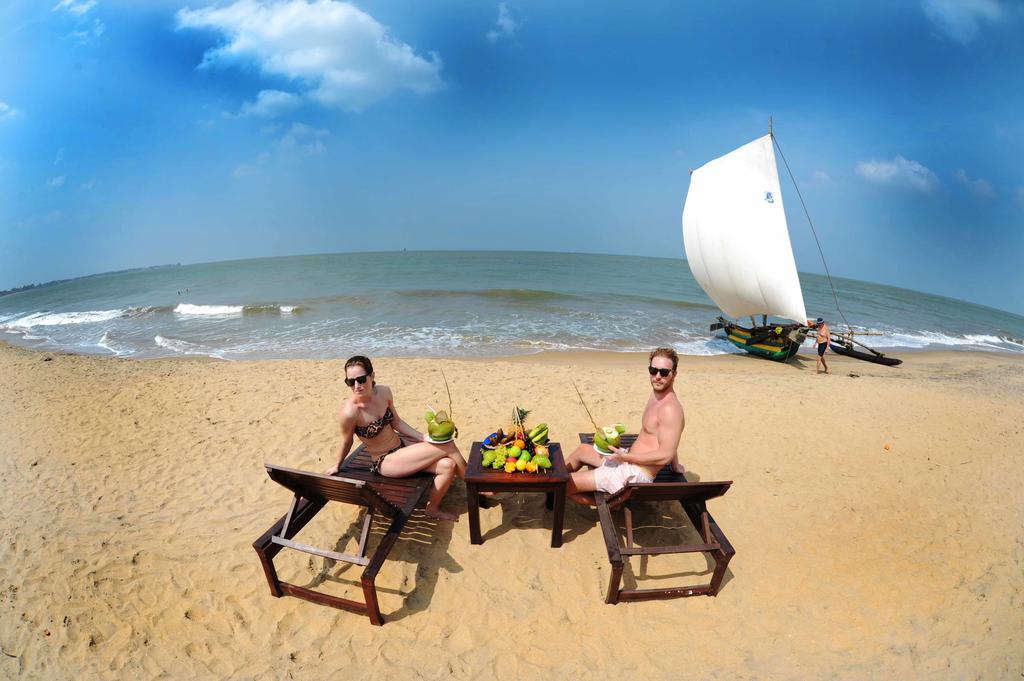
Staying at negambo
Stay in negambo- Arrive in the night we will be drop you in the hotel, morning arrival according to the
Stay in negambo- Arrive in the night we will be drop you in the hotel, morning arrival according to the

Early in the morning why we are going to visit a fish market? Srilanka is an island country as it has more than 1200km beach around srilanka so srilanka is very famous for its fresh fish and dry fish industry... So in srilanka we have huge number of fish markets amoung all of them negambo fish market is a very famous one... The Negombo Fish Market is a fresh fish and a dry fish market… after you enter to it you can see huge number of rows of dry fish that lay in the fiber mats looking for more sunshine to dry soon.. First fisherman’s wives clean the fresh fish and expose it in the fiber mats for the direct sunlight for 3 or 4 days. And packed in the cardboard boxes... Now it’s ready to distribute... Beside the dry fish area you can see the fresh fish market. Sometimes rs 200 is more than enough to buy a one kilo of fresh fish like shark, tuna, sardine, mackerel and other fish. You also get live crabs for sale at the stalls outside the market. And for sure on the way back to the vehicle you can taste a fresh king coconut or some fruits like pineapple or banana
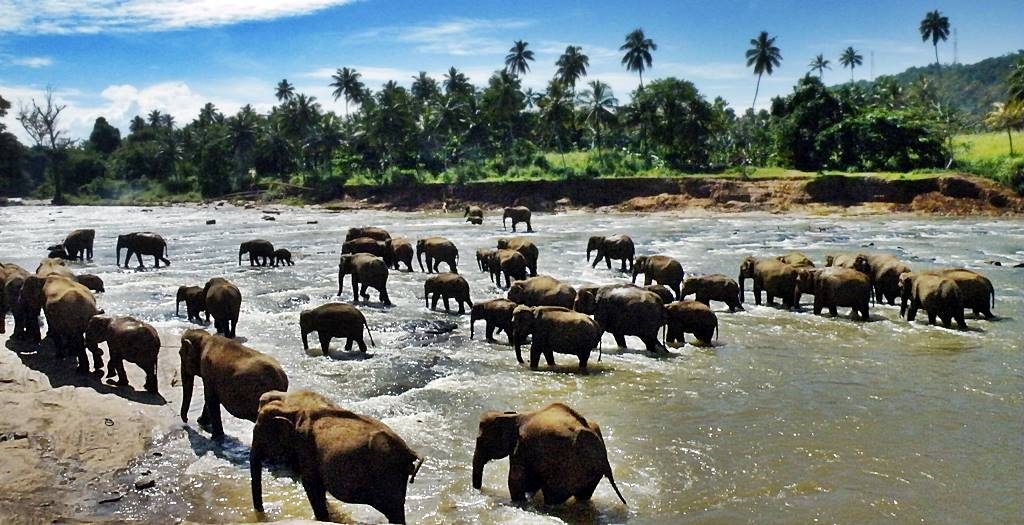
Pinnawala Elephant Orphanage was established to feed, nurse and house, young and baby elephants found abandoned by their mothers. Located in 13 km north-east of Kegalle town. Pinnawala is notable for having the largest herd of captive elephants in the world. It is established in 1975 by the Department of Wildlife Conservation. The orphanage was first located at the Wilpattu National Park, then shifted to the tourist complex at Bentota and then to the Dehiwala Zoo. From the Zoo it was shifted to Pinnawala village on a 25-acre. The orphanage had five baby elephants which formed its nucleus. In 1982 Elephant breeding program was launched. As of 2012, there were 78 elephants living here. Now it’s nearly 84 elephants. There are 48 mahouts (handlers) who take care of the elephants.
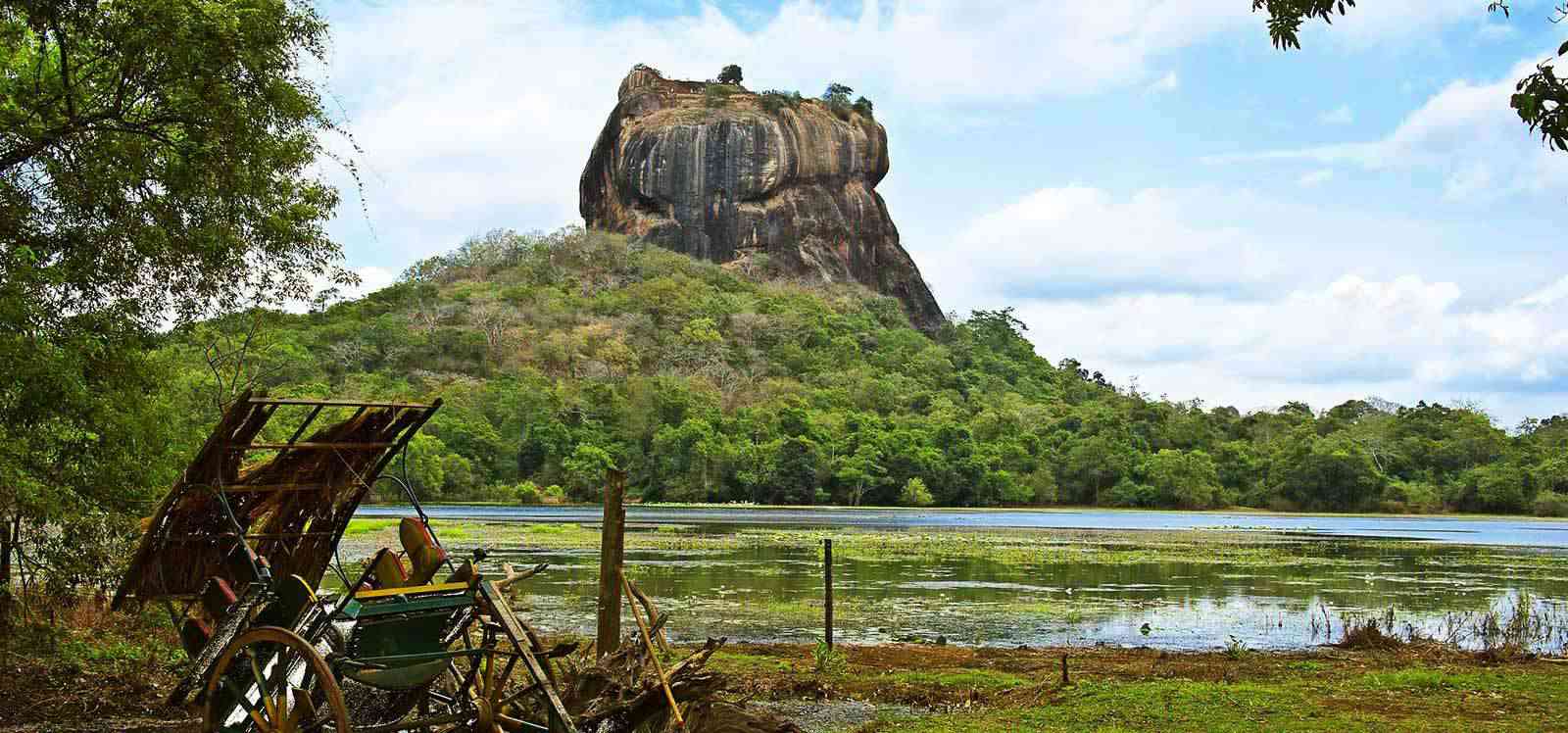
Sigiriya or Lion Rock is an ancient rock fortress located in the Central Matale District near the town of Dambulla;it is a massive column of rock nearly 200 meters (660 ft.) high. This site was selected by King Kasyapa (477 –495 CE) for his new capital. About a halfway up the side of this rock he built a gateway in a form of an enormous lion. The name of this place is derived from this structure —Sīhāgiri, the Lion Rock. Sigiriya today is a UNESCO listed World Heritage Site. During King Kashyapa’s reign, Sigiriya was developed into a complex city and fortress. Most of the elaborate (Decorate) constructions on the rock summit and around it, including defensive structures, Palaces, and gardens…
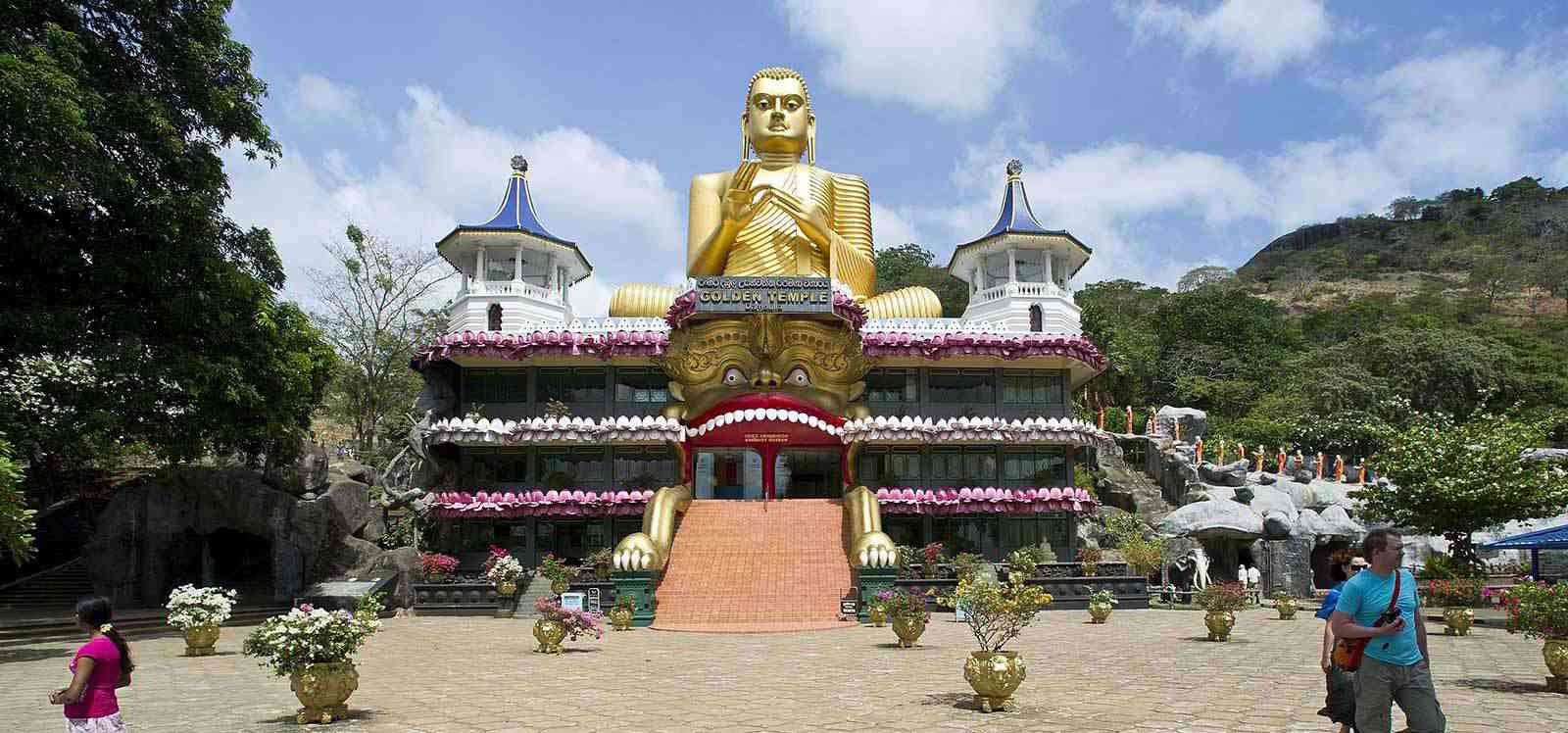
The temple complex built at the base of a 150m High rock during the Anuradhapura era. The Dabulla cave temple is referred to as “Jambukola” for the first time in the Mahawamsa. The cave temple referred to as “Suwarna Giri Lena” which means Golden Rock Caves in the rock inscription created by King Kirthi Sri Nissankamalla. Dambulla cave temple simply known as Rangiri Dambulla Wiharaya which means Golden Rock Temple. The name Dambulla was formed with combination of two words… Daba means Rock, Ulla means water stream. Inside the temple you can see 5 caves with most beautiful and most famous painting
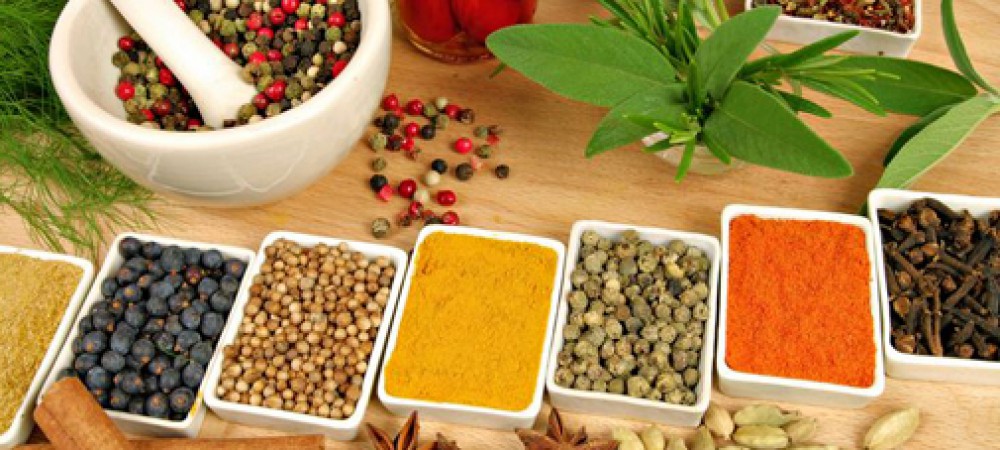
Srilanka has been famous for an exquisite range of spices for centuries. We use spices to increase 04 main things in our day today meals. Taste, color, smell and the nutrition value... So what are these spices that famous in srilanka. These includes cinnamon, pepper, cloves, cardamoms, nutmeg, and mace and vanilla… in our kingdoms we had kings and queens. In this kingdom of spices also we have king and a queen they are pepper and cardamom… so leadership of these two rulers, srilankan spices brings you a world famous taste...
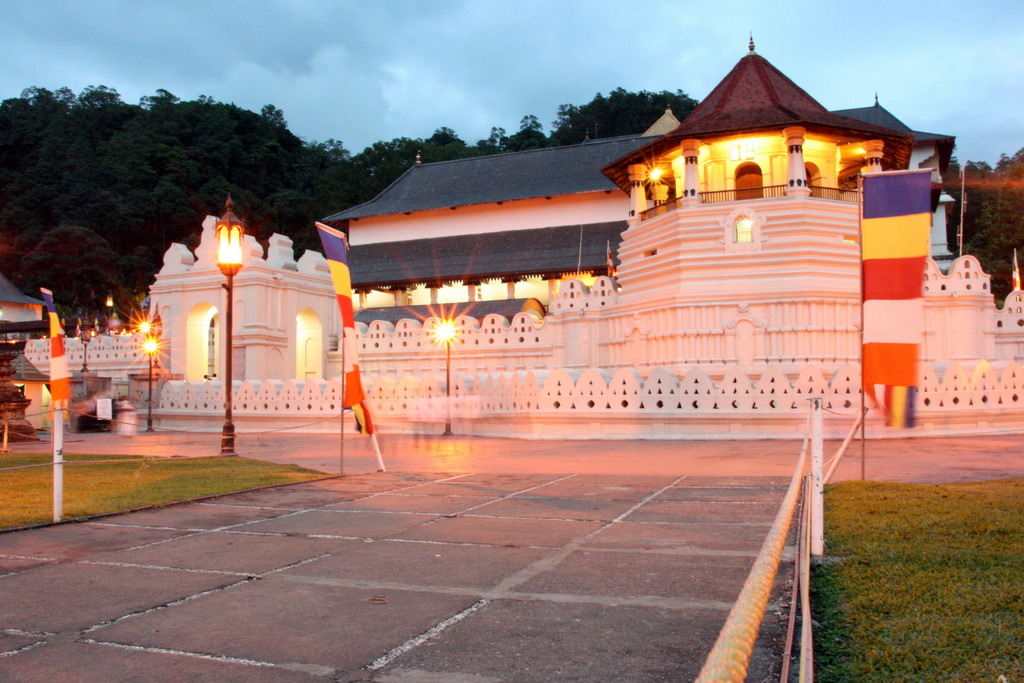
Sri Dalada Maligawa or the temple of the secret tooth relic is a Buddhist temple. It is located in the Royal palace complex of the former kingdom of Kandy. Kandy was the capital of the Sinhalese kings from 1592-1815. King Wimaladarmasuriya I (1592-1603) first selects Kandy as the ruling capital. After the parinirvana of Gautama Buddha, the tooth relic was preserved in kalinga and smuggled to the island by princess Hemamali and her husband, prince Dantha. In 310 A.D
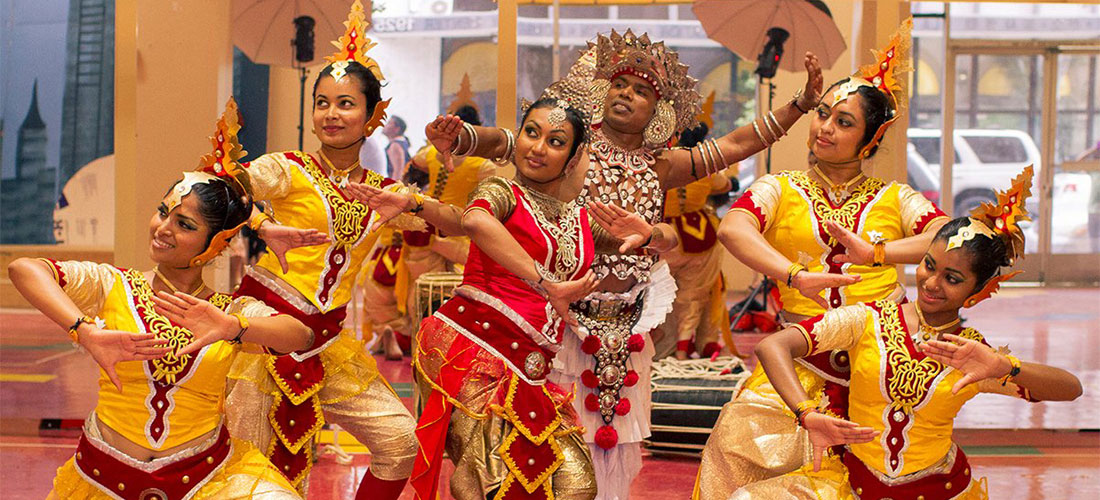
There are three main styles of Sri Lankan classical dance:
Kandyan dance takes its name from Kandy, the last royal capital of Sri Lanka, which is situated about 120 kilometers from the modern capital at Colombo. This genre is today considered the classical dance of Sri Lanka. In Sanskrit terminology it is considered pure dance (nrtta); it features a highly developed system of "tala" (rhythm), provided by cymbals called "thalampataa". There are five distinct types; the ves, naiyandi, uddekki, pantheru, and vannams.
The three classical dance forms differ in their styles of body-movements and gestures, in the costumes worn by the performers, and in the shape and size of the drums used to provide rhythmic sound patterns to accompany the dancing.
The drum used in Kandyan dancing is known as the Geta Bera, the drum in Ruhunu (low country) dancing as the "Yak Bera", and drum in Sabaragamu dancing as the "Davula" (the word Bera or Bereya in Sinhale means "Drum") The Geta Bera is beaten with the hands as is also Yak Bera, while the Davula is played with a stick on one side and with one hand on the other side; the Geta Bera has a body which tapers on both sides while the Yak Bera and the Davula both have cylindrical bodies.
The main distinguishing feature between Kandyan and Sabaragamu dancing, and Ruhunu dancing, is that Ruhunu dancers wear masks.
Additional we can see these dancing patterns
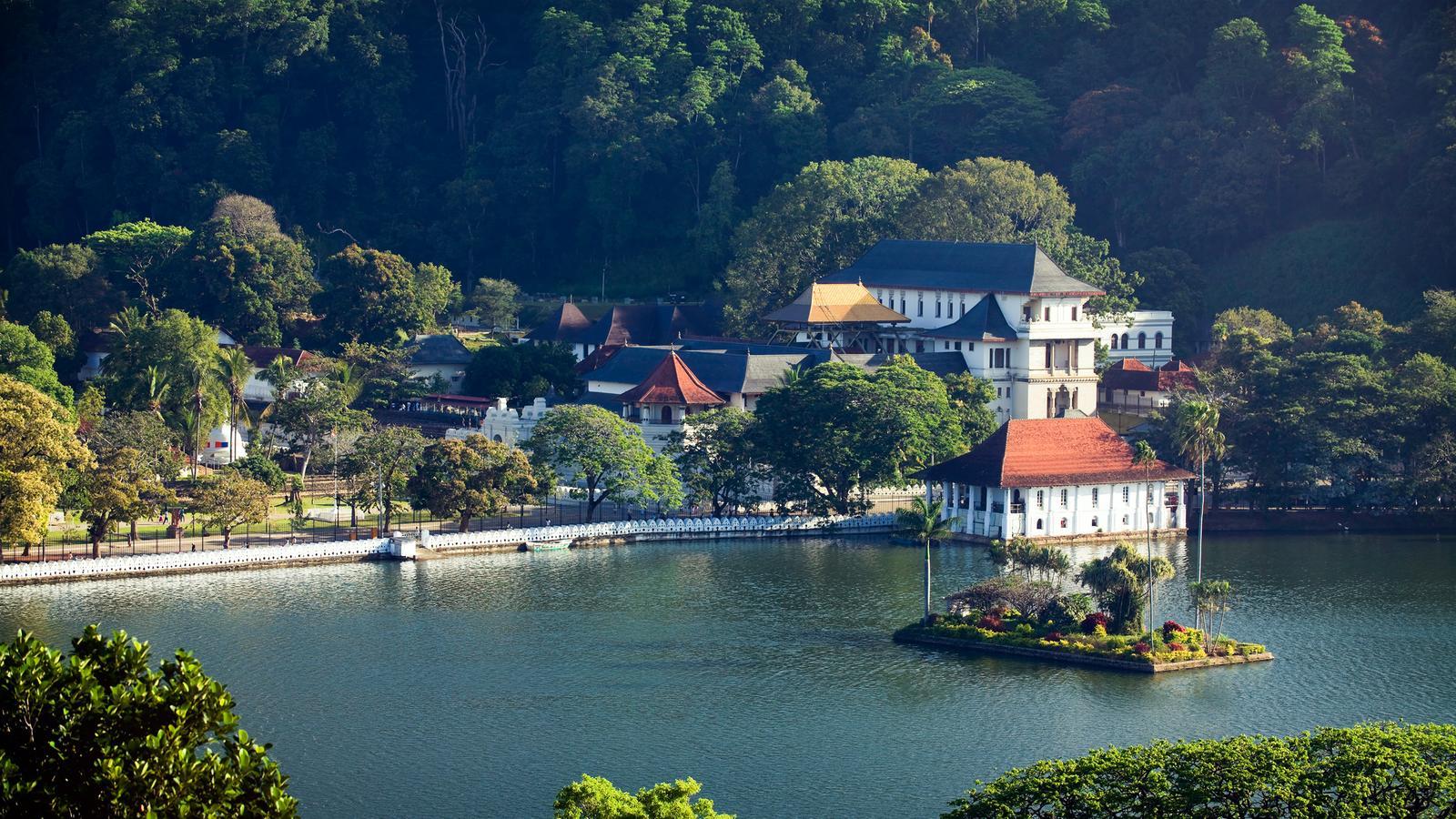
kandy lake is a protected lake that located in the heart of the kandy city, this lake built in 1807 by king sri wickrama rajasingha who was our last king.. this lake named as kandy lake but theres a another name called Sea of milk.. Before they built this lake there was a paddy field.. king sri wickrama rajasingha is a pleasure loving king so he converted that paddy field to a lake
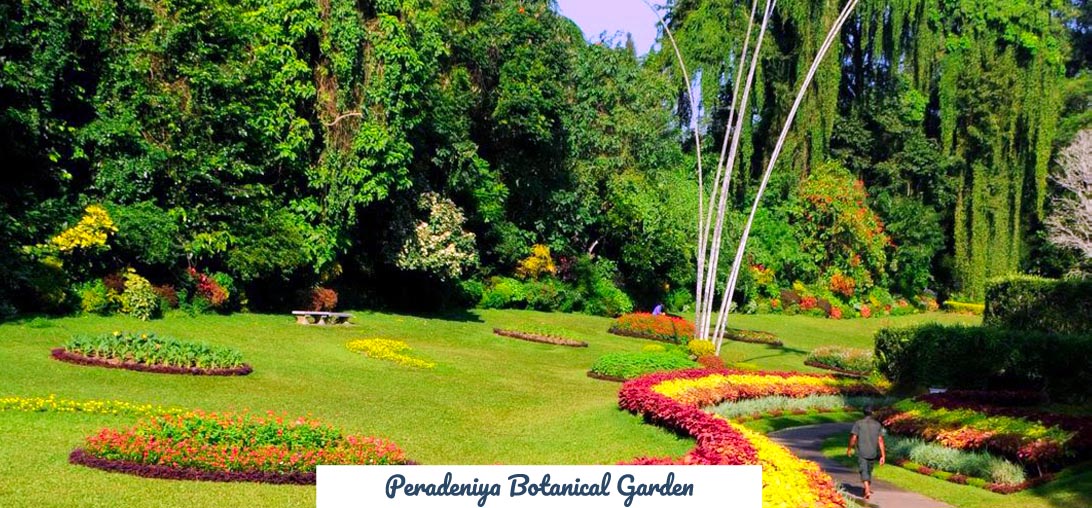
Royal Botanical Garden, located in Peradeniya is about 5.5 km to the west from the city of Kandy. It is situated 1600ft above sea level. It is faced to Kandy-Colombo main road... It attracts nearly 2 million visitors annually. It is near the Mahaweli River the longest in Sri Lanka about 335 km long. It is renowned for its collection of orchids. The garden includes more than 4000 species of plants, including orchids, spices, medicinal plants and palm trees. The total area of the botanical garden is 147 acres and it has a shoe shape land... It is managed by the Division of National Botanic Gardens of the Department of Agriculture. The origins of the Botanic Gardens date far back as 1371 when King Wickramabahu III ascended the throne and kept court at Peradeniya near the Mahaweli River. The groundwork for a botanical garden was formed by Alexandar Moon in 1821. He used the garden for coffee and cinnamon plants. The Royal Botanical Garden at Peradeniya was formally established in 1843 with plants brought from Kew Garden, Slave Island, Colombo, and the Kalutara Garden in Kalutara. Most attractive places are ferns garden, great circle of grass, Double coconut palm trees and suspension bridge…
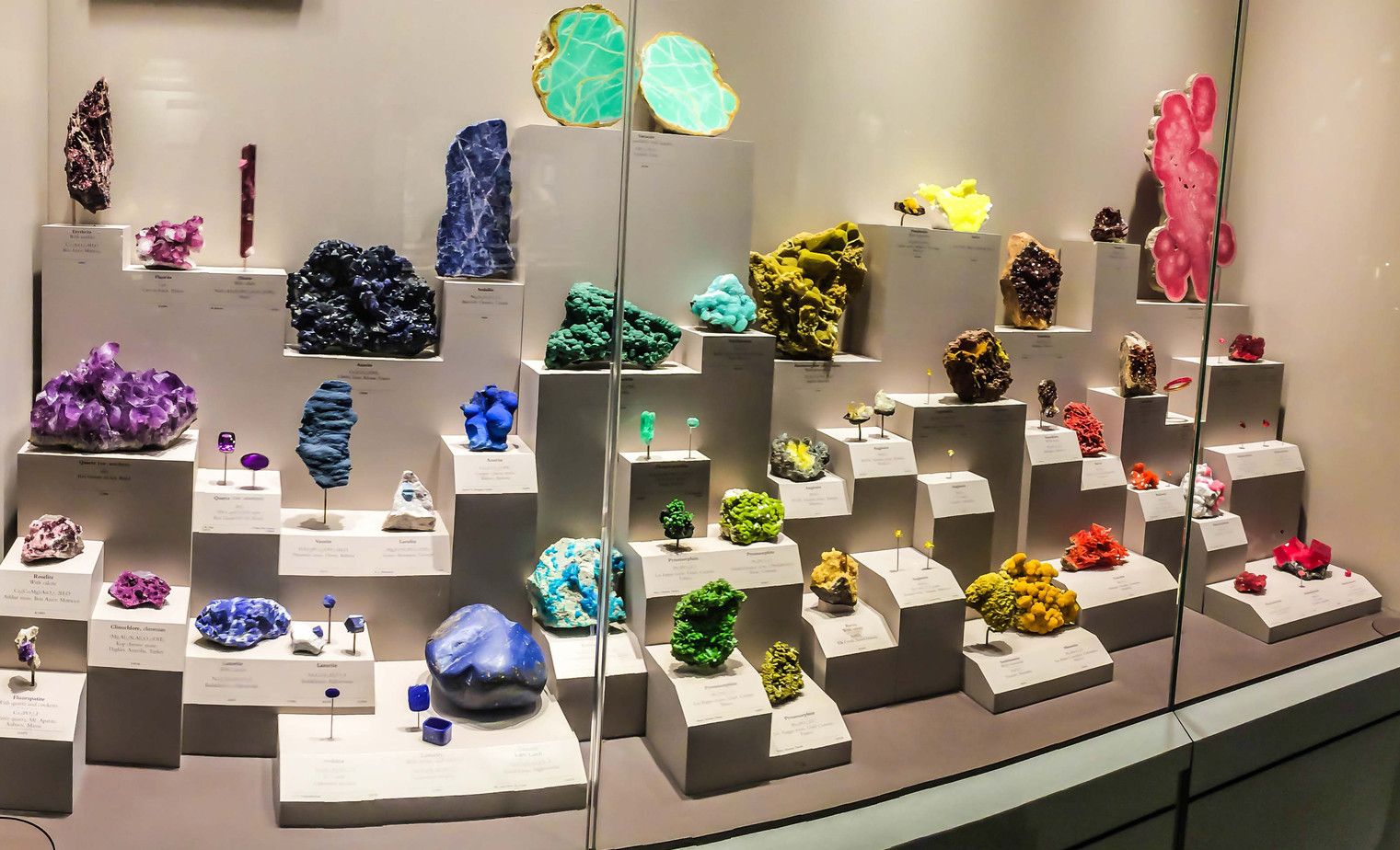
Srilanka was affectionately known as Rathna-Dweepa which means Gem Island. Srilanka is very famous for Blue sapphire… and also we have huge varieties of gems which includes, Pink, Yellow and Golden Sapphires, Rubies, Star Sapphires, Star Rubies, Alexandrite, Cat’s F, Spinel, Aquamarines, Topaz, Zircons, Garnets, Tourmalines, Moonstones, Quartz and a large number of rare gemstones. In the Gem museum you can see the Process of the Gems
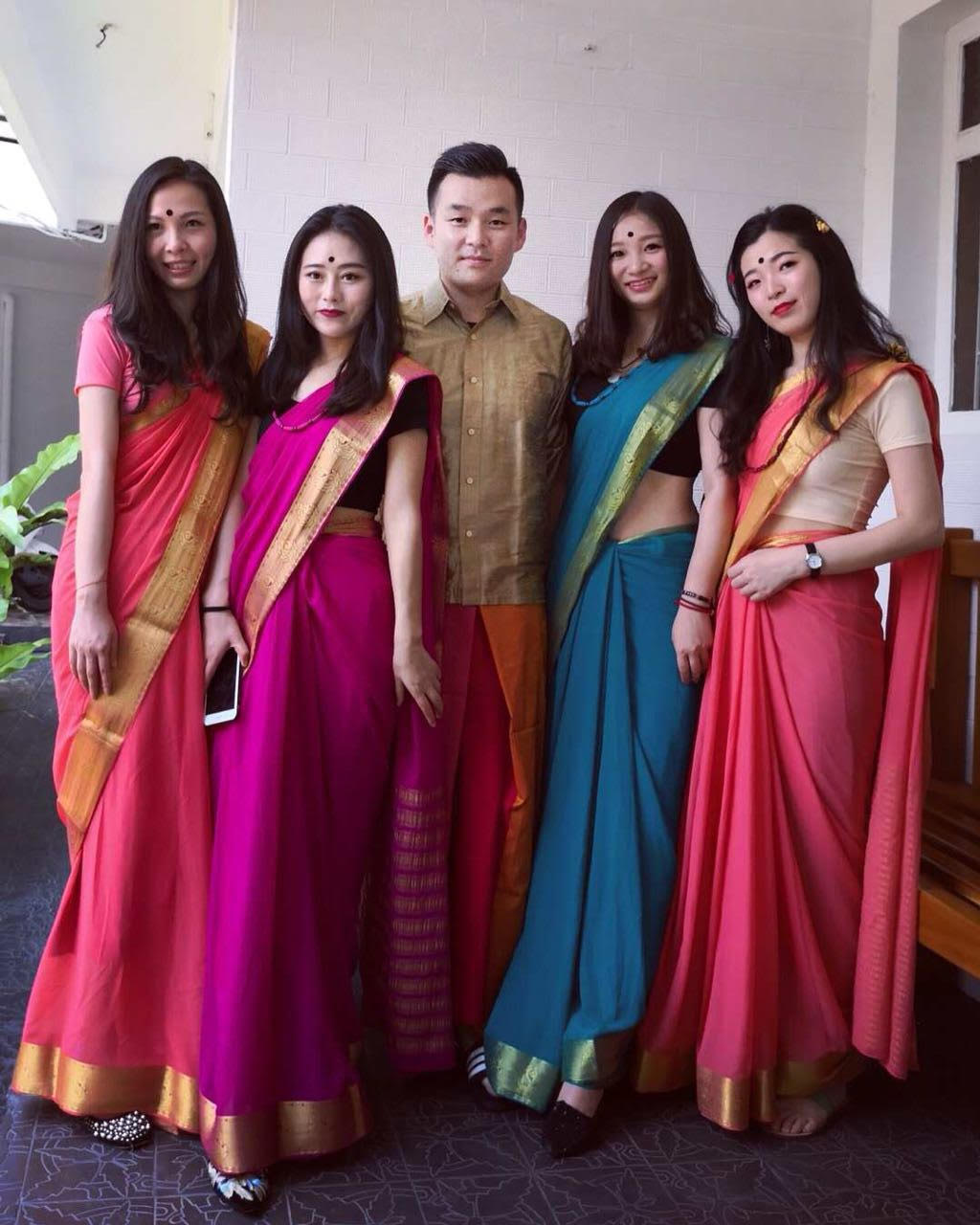
Od our traditional dress is saree and saron.. normally srilankan female likes to wear it.. in srilankan weddings bride usually wear a saree.. so we have two types of saree styles, one is kandyan saree and other one is usual one.

Nuwara Eliya is a city in the tea country hills of central Sri Lanka. And also called as little England, The naturally landscaped Hakgala Botanical Gardens displays roses and tree ferns, and shelters monkeys and blue magpies. Nearby Seetha Amman Temple, a colorful Hindu shrine, is decorated with religious figures. Densely forested Galway's Land National Park is a sanctuary for endemic and migratory bird species, including bulbuls and flycatchers. Elevation: 1,868 m, Weather: 16°C, Wind W at 21 km/h, 100% Humidity
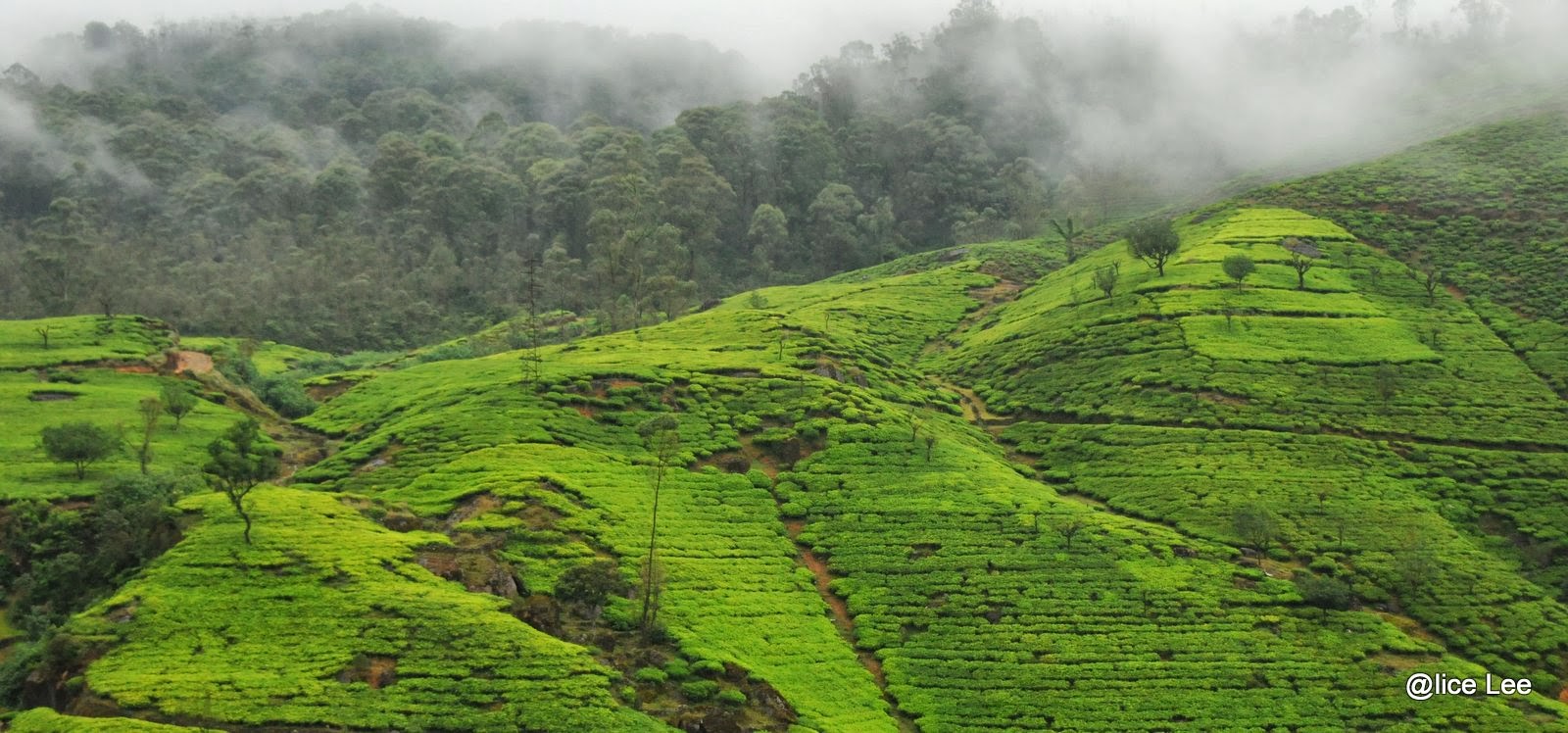
– Ceylon tea is very famous in the world. Tea is beverage that is good for the health. Tea is reduce our Hypertension Cardio Vascular diseases , Blood Glucose & Bacterial activity. It was an accidental discovery in the 27 BC in China.
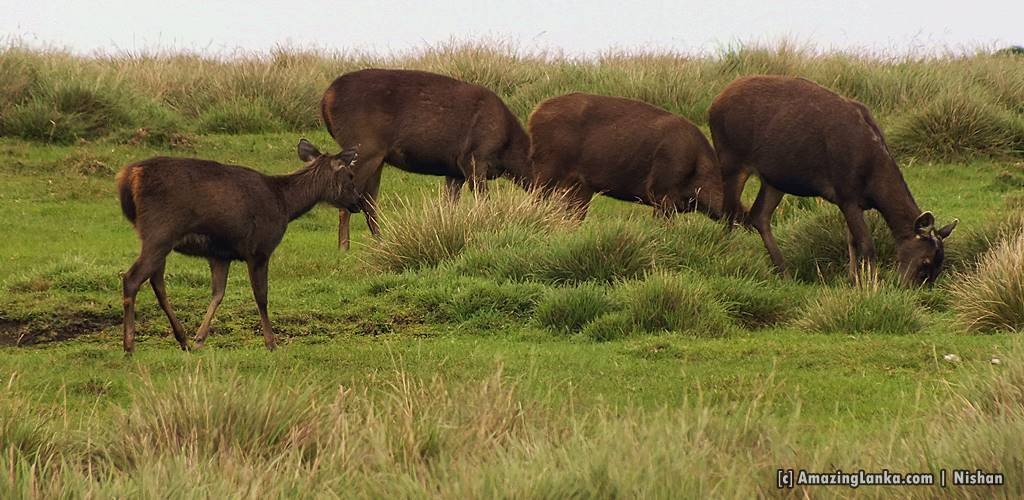
Horton Plains in Sri Lanka, is the coldest and windiest location in the country. It consists of ecosystems such as Montane evergreen forests, grasslands, marshy lands and aquatic ecosystem. At an altitude of 2,100 meters above sea level, Horton Plains spreads across over 3,169 hectares of the highest tableland of the island. In view of the large number of endemic flora and fauna species, Horton Plains was declared a UNESCO World Heritage Site on 30th July 2010. .
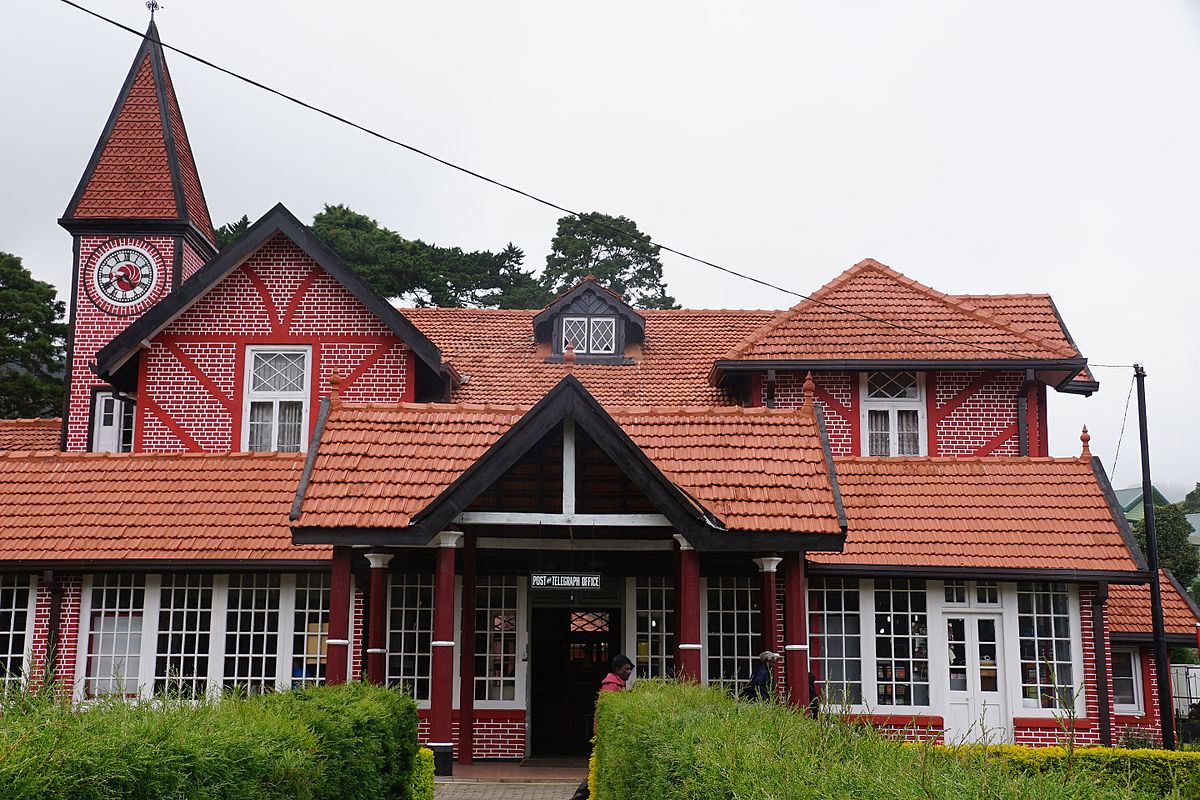
Pink post office is located in the heart of the nuwaraeliya.This is a very famous place for sending post card's and this building was constructed in 1894 by british. This building has 2 floor. This building build out of red bricks. 1990 December 26th sri lanka post issued a 10 rupee stamp with the photography of the post office. After visiting there you can send some post card's to your friends all around in the world.
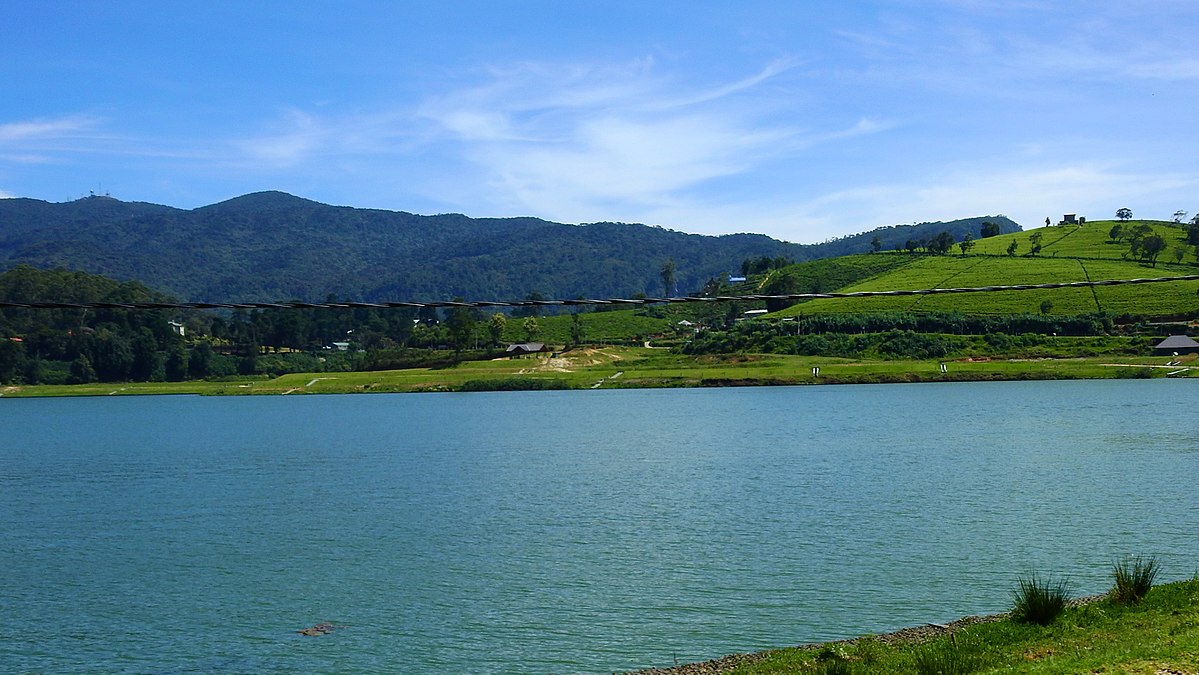
The area was originally a swampy bog at the foot of the small hills that border the town. In 1873 Sir William Gregory authorised the damming of the Thalagala stream, which originates from Mount Pidurutalagala,[3] in order to make more land available for the expansion of the town.[4] In 1881 the lake was stocked with trout by Mr C. J. R. Le Mesurier (Assistant Government Agent for Nuwara Eliya).[5][6] In 1913 the waters of the lake were directed into a tunnel which flows to a hydro power station at 'Blackpool' between the town and Nanu Oya.[7] The power station continues to supply electricity to the town to this day. In British times Lake Gregory was used for water sports and recreational activities.
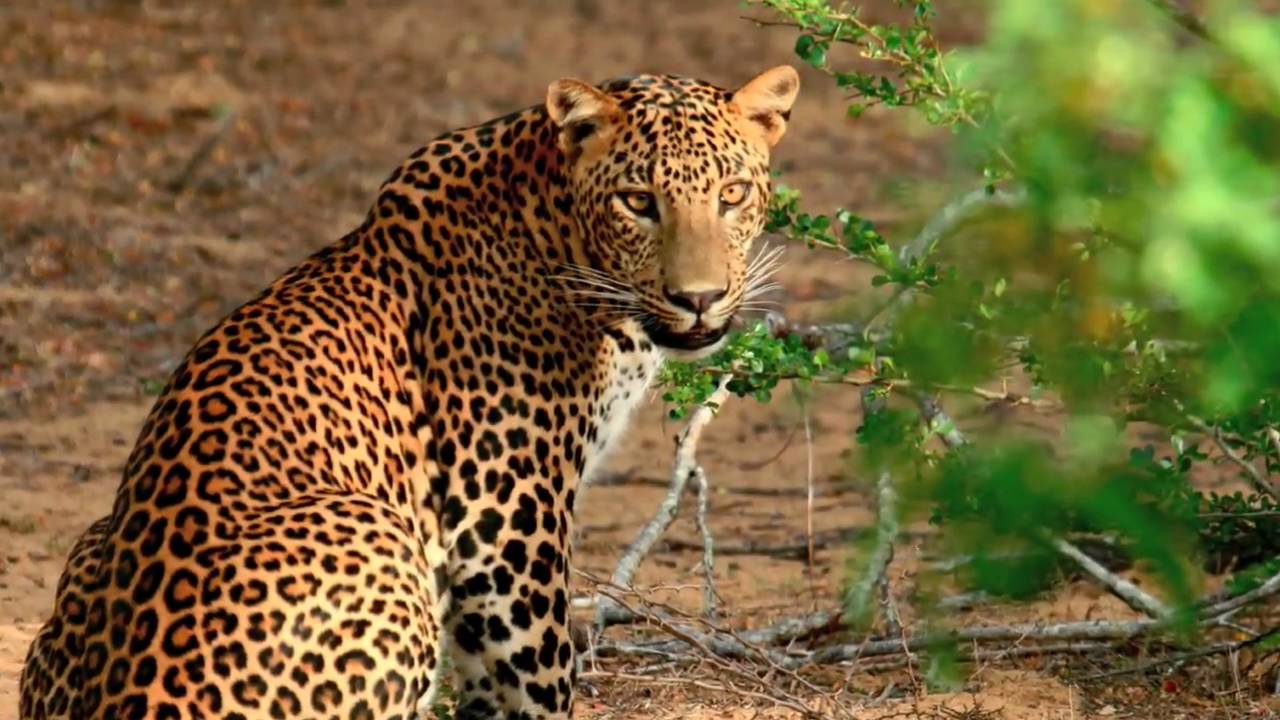
That brings you up, close and personal with untamed world of wildlife. Whether you are an avid nature lover or visiting a wildlife park for the first time, if you come here with a mind that’s eager to explore and learn, you will go away with new-found meaning to life. Yala combines a strict nature reserve with a national park. Second Largest National park in SL. Divided into 5 blocks, the park has a protected area of nearly 130,000 hectares of land consisting of light forests, scrubs, grasslands, tanks and lagoons. The park covers 979 square kilometers two blocks are currently opened to the public. (Ruhuna National Park (block 1) and Kumana National Park or 'Yala East') Situated in Sri Lanka’s south-east hugging the panoramic Indian Ocean, Yala was designated a wildlife sanctuary in 1900 and was designated a national park in 1938. (On 1 March 1938, Yala became a national park when the Flora and Fauna Protection Ordinance was passed into law by D. S. Senanayake, the minister of agriculture)Ironically, the park was initially used as a hunting ground for the elite under British rule. Yala is home to 44 varieties of mammal and 215 bird species. Among its more famous residents are the world’s biggest concentration of leopards, majestic elephants, sloth bears, sambars, jackals, spotted dear, peacocks, and crocodiles. The best time to visit Yala is between February and July when the water levels of the park are quite low, bringing animals into the open. .
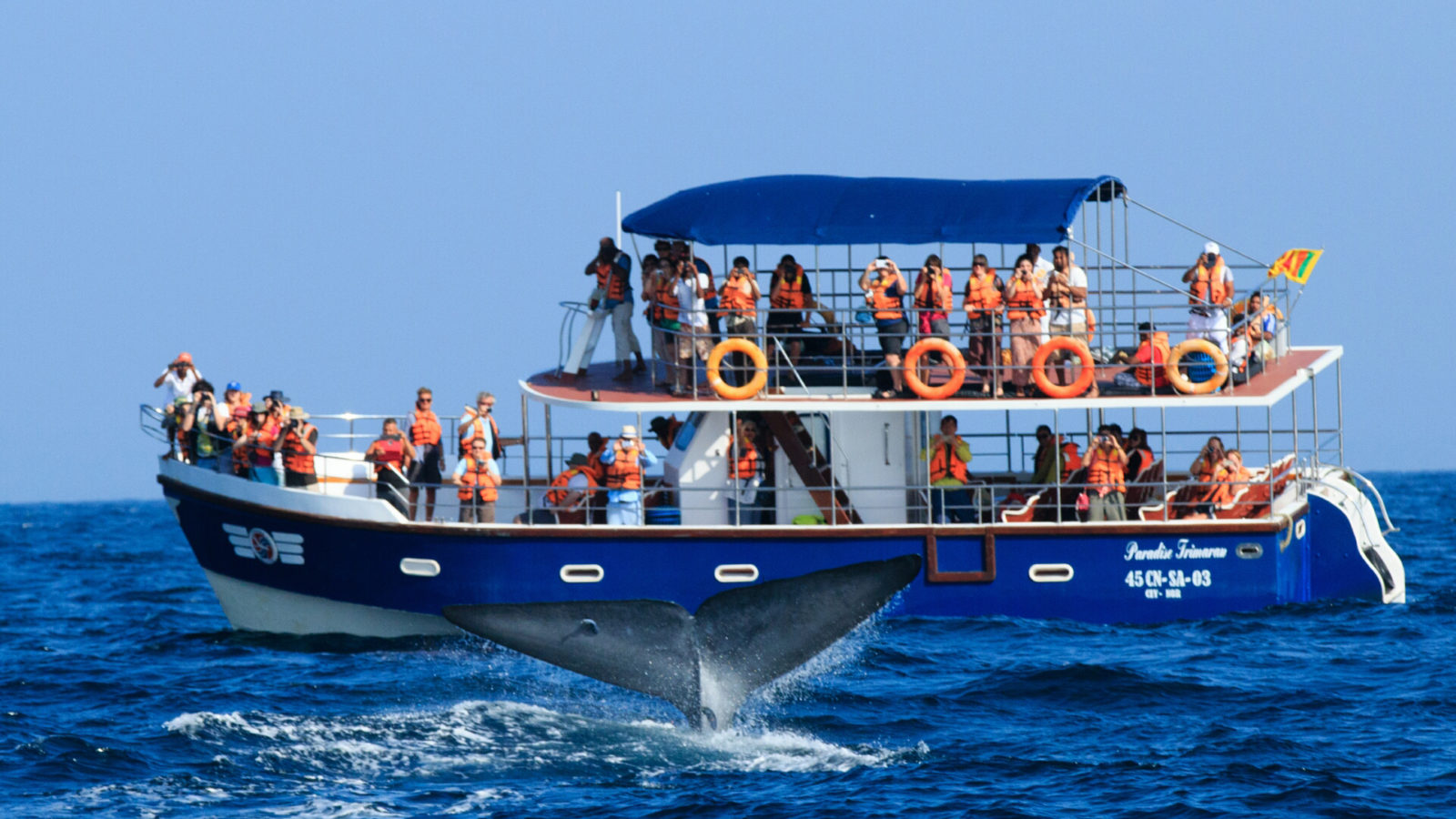
In this one we take you to see the largest animal who living in the sea close to srilankan beach located in down south mirissa… Whale watching season starts in November and ends in April. Normally in these time period Ocean is warm and calm. May to October is off season. We can see but can be spotted rarely, because ocean is usually rough and boats don´t go to ocean. We can guarantee 98% chance of spotting blue whales and also Bottlenose dolphins, dolphins, fin whales, turtles, whale shark, sperm whales, short finned whales, fin whales, turtles, , killer whales, and flying fish. Spinner

In srilanka we can see many types of fishing techniques, most of the times fisherman use the boat and go to the see and use nets and other common methods used by present day. But here the method is bit different, reason is in here fisherman use a fish-hook that connect to the stick by a string
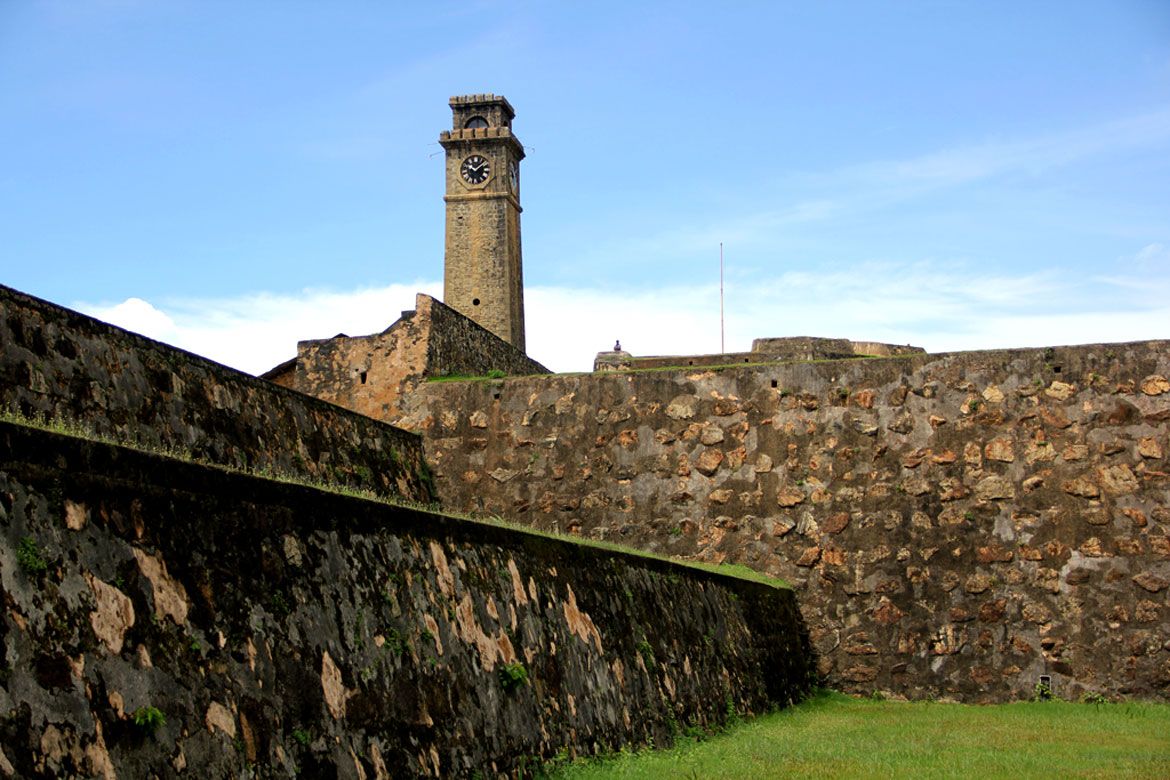
Galle Fort, in the Bay of Galle on the southwest coast of Sri Lanka, was built first in 1588 by the Portuguese, and then extensively fortified by the Dutch during the 17th century from 1649 onwards. It is a historical, archaeological and architectural heritage monument, which even after more than 423 years maintains a polished appearance, due to extensive reconstruction work done by Archaeological Department of Sri Lanka. The heritage value of the fort has been recognized by the UNESCO and the site has been inscribed as a cultural heritage UNESCO World Heritage Site under criteria IV, for its unique exposition of “an urban ensemble which illustrates the interaction of European architecture and South Asian traditions from the 16th to the 19th centuries.” The Galle Fort, also known as the Dutch Fort or the “Ramparts of Galle" it covers an area of 52 hectares (130 acres).
Galle Fort, in the Bay of Galle on the southwest coast of Sri Lanka, was built first in 1588 by the Portuguese, and then extensively fortified by the Dutch during the 17th century from 1649 onwards. It is a historical, archaeological and architectural heritage monument, which even after more than 423 years maintains a polished appearance, due to extensive reconstruction work done by Archaeological Department of Sri Lanka. The heritage value of the fort has been recognized by the UNESCO and the site has been inscribed as a cultural heritage UNESCO World Heritage Site under criteria IV, for its unique exposition of “an urban ensemble which illustrates the interaction of European architecture and South Asian traditions from the 16th to the 19th centuries.” The Galle Fort, also known as the Dutch Fort or the “Ramparts of Galle" it covers an area of 52 hectares (130 acres).
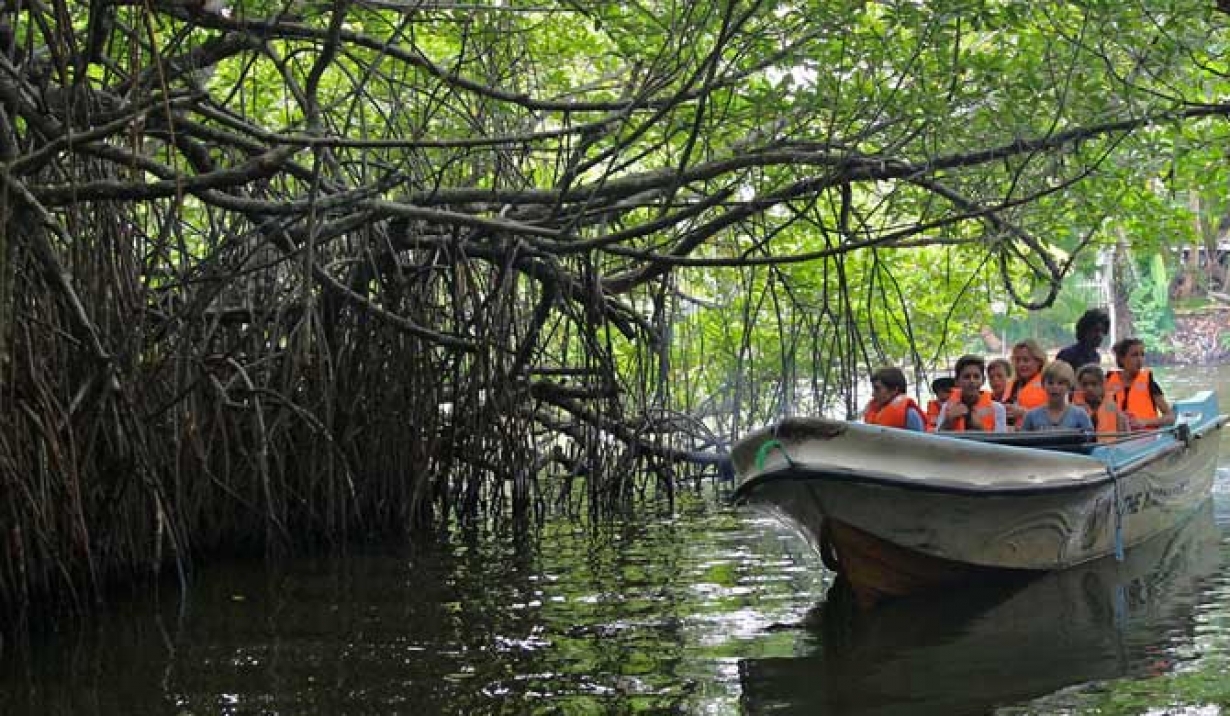
Together with the smaller Randombe Lake, to which it is connected by two narrow channels, it forms the Madu Ganga
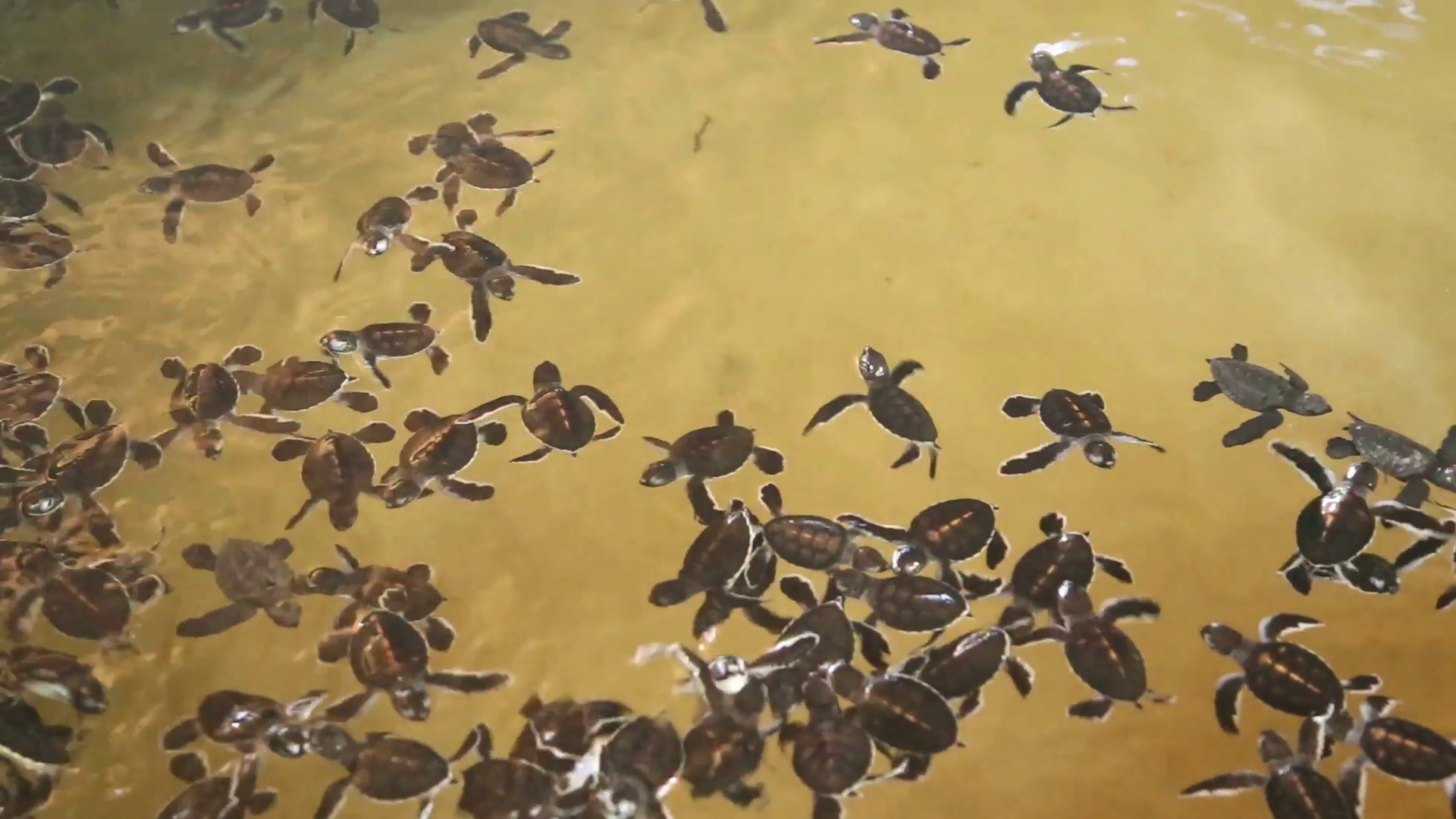
The area on Sri Lanka’s west coast sees particularly high levels of sea turtles. So after we entered to the sea turtle hatchery you can get a knowledge about varieties of sea turtles who come to our shore and also you can see the eggs and small turtles that age of 2, 3 days
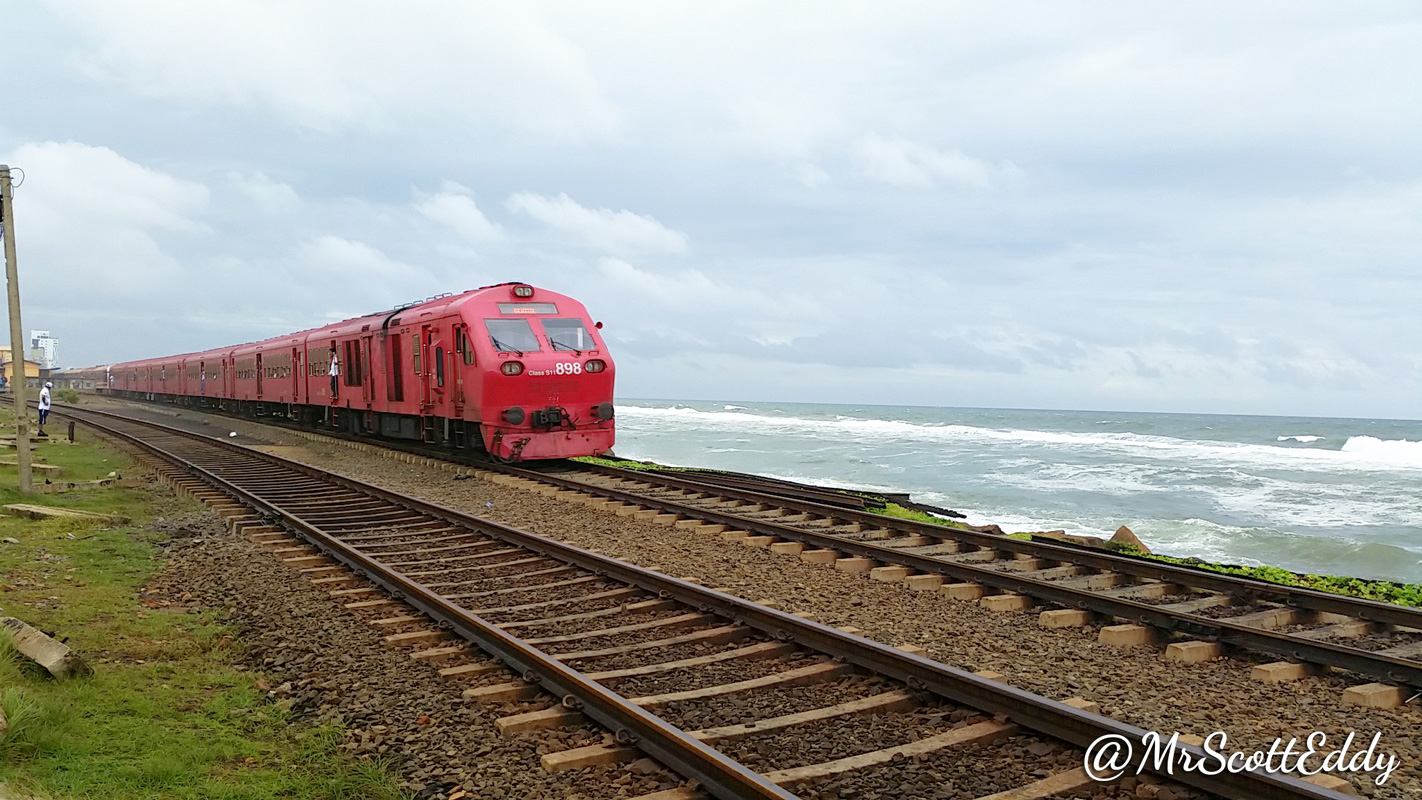
hikkaduwa to Colombo